
Deer Collision Safety Tips For Fall Driving
Brenda Curtis
Oct 22 2026 13:00
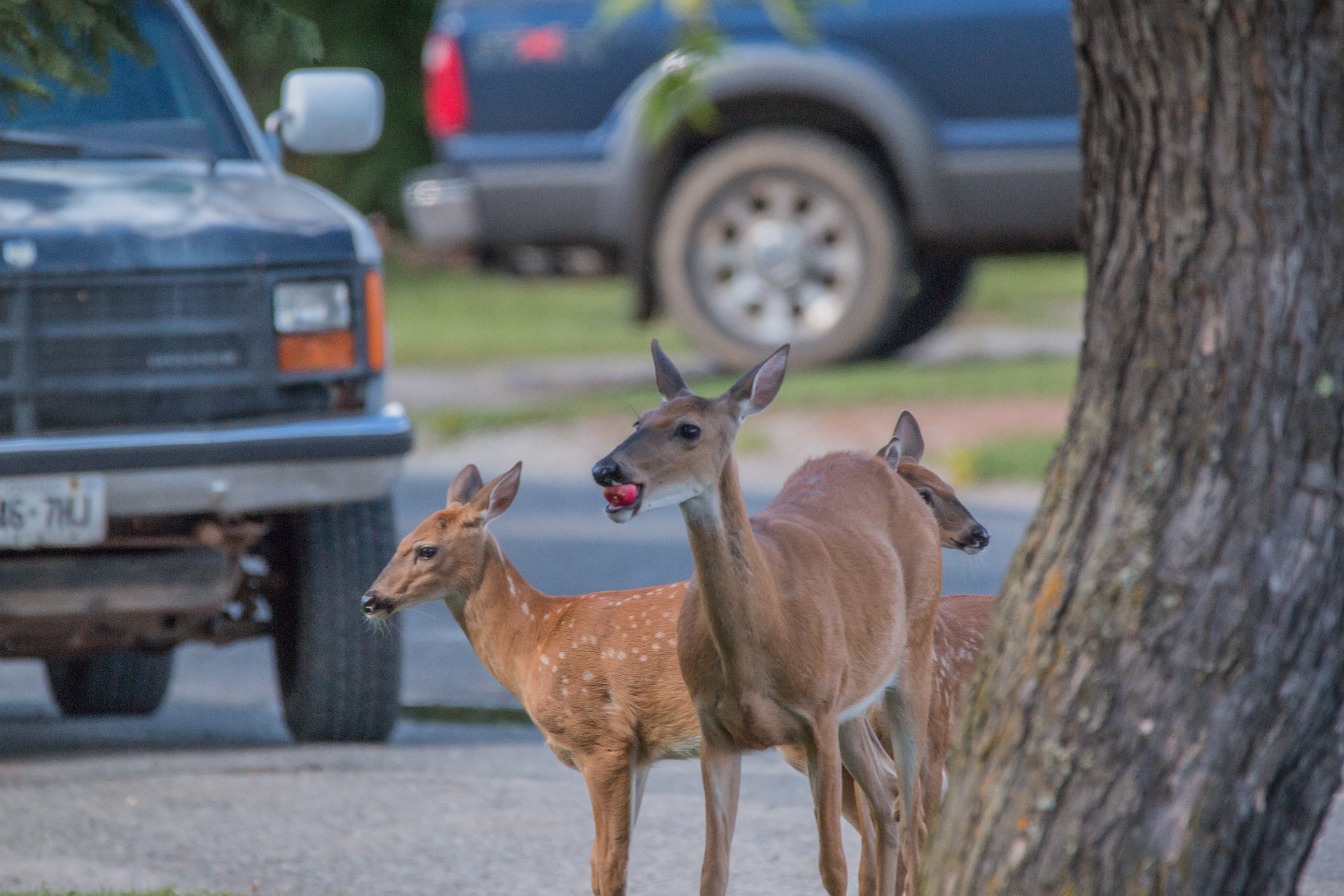
As the days grow shorter across Upstate New York, drivers face a seasonal hazard that can appear without warning: deer entering the roadway. Fall is an especially active time for deer, and they are more likely to cross roads during early morning and evening hours when visibility is limited. These conditions can significantly increase the risk of an accident.
Even cautious drivers can encounter a deer unexpectedly. Understanding how to lower your risk and knowing what steps to take after a collision can help protect you, your passengers, and your vehicle. At Neighbors Insurance Agency, we often help drivers throughout Sidney, Oneonta, and surrounding communities prepare for situations like these as part of a well-rounded auto insurance plan.
Why Deer Collisions Increase During Fall
Deer movement becomes much more frequent in the fall, particularly between October and December. During this time, they are more active and tend to cross roads more often, which raises the likelihood of an encounter with a vehicle.
The highest risk typically occurs around sunrise, sunset, and the hours just after dark. Reduced lighting makes it harder to spot deer near wooded areas, shoulders, and medians until they are very close to traffic.
Because deer can enter the road suddenly, staying attentive during these peak times is one of the most effective ways to reduce your chances of a collision.
Stay Aware in High-Risk Areas
Improving your awareness while driving is one of the simplest ways to stay safer. Instead of focusing only on the road ahead, scan both sides of the roadway for movement or shadows that could indicate wildlife nearby.
This is especially important when traveling through rural roads, wooded stretches, open fields, or areas marked with deer crossing signs. These signs are placed in locations where deer activity is common, serving as a reminder to stay alert.
Limiting distractions inside your vehicle can also give you more time to react if a deer suddenly appears in your path.
Reduce Speed to Improve Reaction Time
Your driving speed plays a major role in how much time you have to respond to hazards. Traveling at or below the speed limit allows you to better recognize potential dangers and react safely.
This is particularly important on two-lane highways and country roads where deer are more likely to cross unexpectedly. Areas surrounded by woods or farmland require extra caution.
Even slowing down slightly can provide those extra seconds needed to brake safely and avoid a crash.
Make the Most of Your Headlights
Headlights are a critical safety feature when driving in low-light conditions. When there is no oncoming traffic, using high beams can help you see farther ahead and identify deer sooner.
However, if a deer is already visible near the road, dimming your headlights may be helpful. Bright lights can startle the animal and cause it to freeze instead of moving away.
Using your lights correctly can improve visibility while reducing the chance of surprising wildlife.
If You Spot One Deer, Expect More
It is common for drivers to assume the danger has passed after one deer crosses the road. In reality, deer often travel in groups, and others may be close behind.
Instead of accelerating immediately, continue to slow down and check both sides of the road. Another deer may follow within seconds.
Taking a moment to stay cautious can help you avoid a second, unexpected encounter.
Brake Instead of Swerving
If a collision seems unavoidable, your instinct may be to swerve. However, leaving your lane can create a more dangerous situation than striking the deer.
Swerving increases the risk of hitting another vehicle, guardrail, tree, or ditch. These types of accidents often result in more severe damage or injury.
In most cases, the safer approach is to hold the steering wheel firmly, apply controlled braking, and remain in your lane.
Avoid Relying on Deer Whistles Alone
Some drivers install deer whistles or similar devices in hopes of preventing accidents. While these tools are available, they should not replace attentive driving habits.
Staying alert, reducing speed in high-risk areas, and watching the roadside remain the most dependable ways to avoid collisions. If needed, using your horn may help encourage a deer to move away.
Safe driving practices are still your strongest line of defense.
What to Do After a Deer Collision
Even with precautions, accidents can still happen. If you hit a deer, your first priority should always be safety.
If your vehicle is operable, move it to a safe location away from traffic and turn on your hazard lights. Check yourself and your passengers for injuries and call emergency services if medical attention is needed. You may also need to report the incident to local authorities depending on New York requirements.
Do not approach the deer, even if it appears injured. An injured animal can behave unpredictably and may pose a risk.
If it is safe to do so, take photos of the damage before filing a claim. Proper documentation can make the claims process smoother when working with your auto insurance provider.
Does Auto Insurance Cover Deer Accidents?
Many drivers are surprised to learn that deer-related damage is often handled differently than other types of accidents. In many cases, these incidents fall under comprehensive coverage rather than collision coverage.
If you only carry liability coverage, damage to your own vehicle is typically not included. That is why it is important to understand your policy before an incident occurs.
At Neighbors Insurance Agency, a local independent insurance agency serving Sidney, Oneonta, and the surrounding Southern Tier, we help drivers compare auto insurance options from multiple carriers. This allows you to choose coverage that fits your needs, whether you are reviewing New York auto insurance requirements or looking to strengthen your protection.
If you have questions about your current policy or want to explore your options, our team is here to help. We can walk you through your coverage, explain how claims work, and help you feel more confident heading into deer season and beyond.